
Arrest Records in Hamilton County
An arrest record begins at booking. When the Sheriff's Office, a city police department, or the state police arrests someone, that person is taken to the Hamilton County Jail or held for transfer. Intake captures identity, a booking number, a subject number, a photo, demographics, and the arrest and charge information. From that moment, a public arrest record exists on the jail roster while the person is in custody.
The Hamilton County Sheriff's Office, led by Sheriff Dennis Quakenbush, runs the jail on Cumberland Road and keeps the roster online. The roster is detailed and open without a login. It shows mugshots, charges, bonds, and scheduled court dates. The Prosecuting Attorney, Joshua Kocher, then decides what charges to file and represents the State in the case that follows.
The Prosecuting Attorney page, shown below, names the office and its duties.
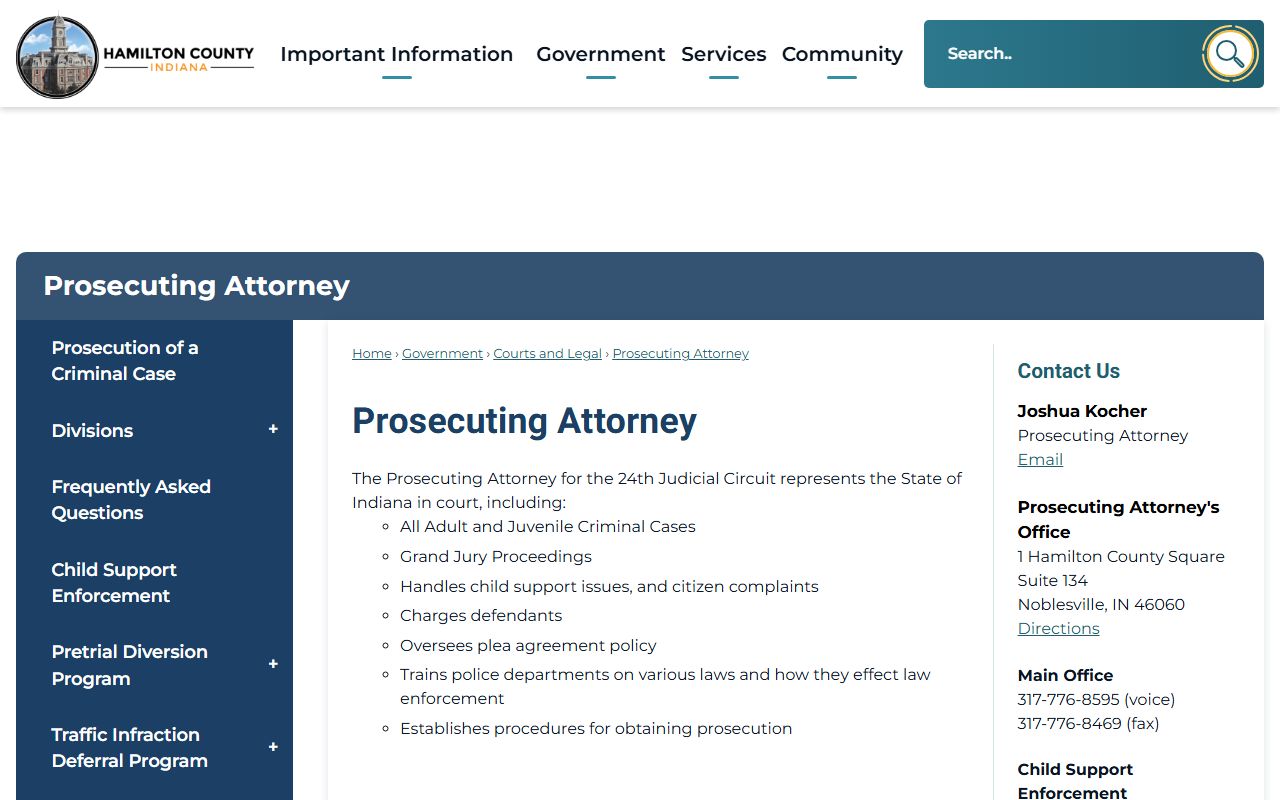
An arrest is the police step; the charging decision belongs to the Prosecutor.
How to Search Hamilton County Arrest Records
The fastest route to a recent arrest is the Sheriff's current inmate lookup. It is free and updates often. For the court case that follows an arrest, switch to Indiana MyCase and search by name or cause number.
- Open the Hamilton County current inmate search and enter a name.
- Review the booking details, charges, bond, and court dates.
- Copy the docket number from the inmate profile.
- Open MyCase and search that cause number for the full case.
- Request certified copies from the Clerk if you need official documents.
The Prosecutor's page on how a criminal case is prosecuted, shown below, explains the State's role after an arrest.
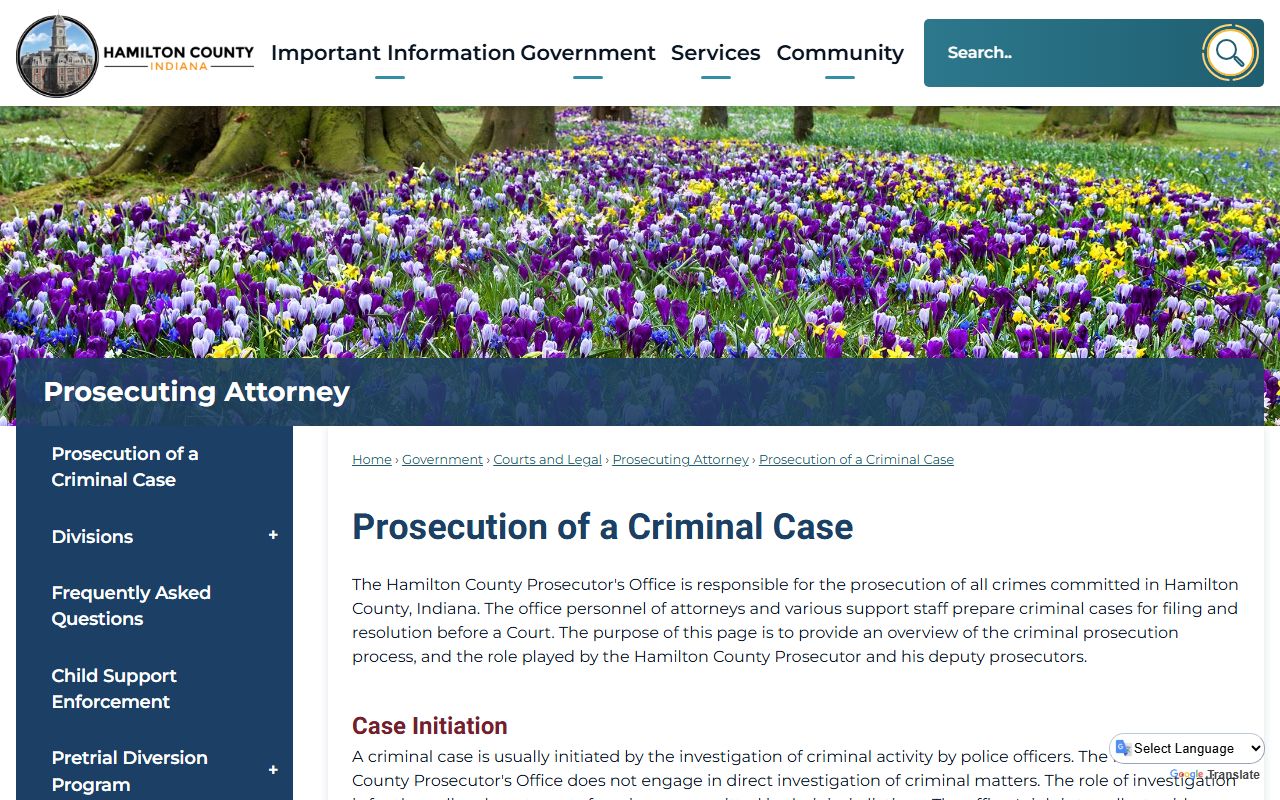
A booking is only the beginning; the case moves on to charging, hearings, and a disposition.
Arrest Records vs. Criminal Court Records
People mix these up all the time. An arrest record is the jail's booking entry. A criminal court record is the case file in the courts. One is held by the Sheriff; the other by the Clerk and the courts. The table below sorts them out.
| Feature | Arrest Record | Criminal Court Record |
|---|---|---|
| Held by | Sheriff's Office / jail | Clerk and the trial courts |
| Where to search | County inmate roster | Indiana MyCase |
| Shows | Booking, charges, bond, mugshot | Filings, hearings, plea, disposition |
| Means guilt? | No | Only a conviction does |
For the full case history behind an arrest, use Hamilton County court records and court dockets.
Charges vs. Convictions
A charge is an accusation. A conviction is a finding of guilt. The gap between them matters, because people are sometimes booked and released with no charges, and others are charged and later cleared. Read the disposition before you draw any conclusion.
| Point | Charge | Conviction |
|---|---|---|
| What it is | A formal accusation by the State | A guilty finding or plea |
| Stage | Filed early in the case | Entered at or after trial or plea |
| On the record | Shows as a pending charge | Shows as the case disposition |
The Prosecutor's screening team reviews law-enforcement submissions and drafts charges when the evidence supports them, as shown below.
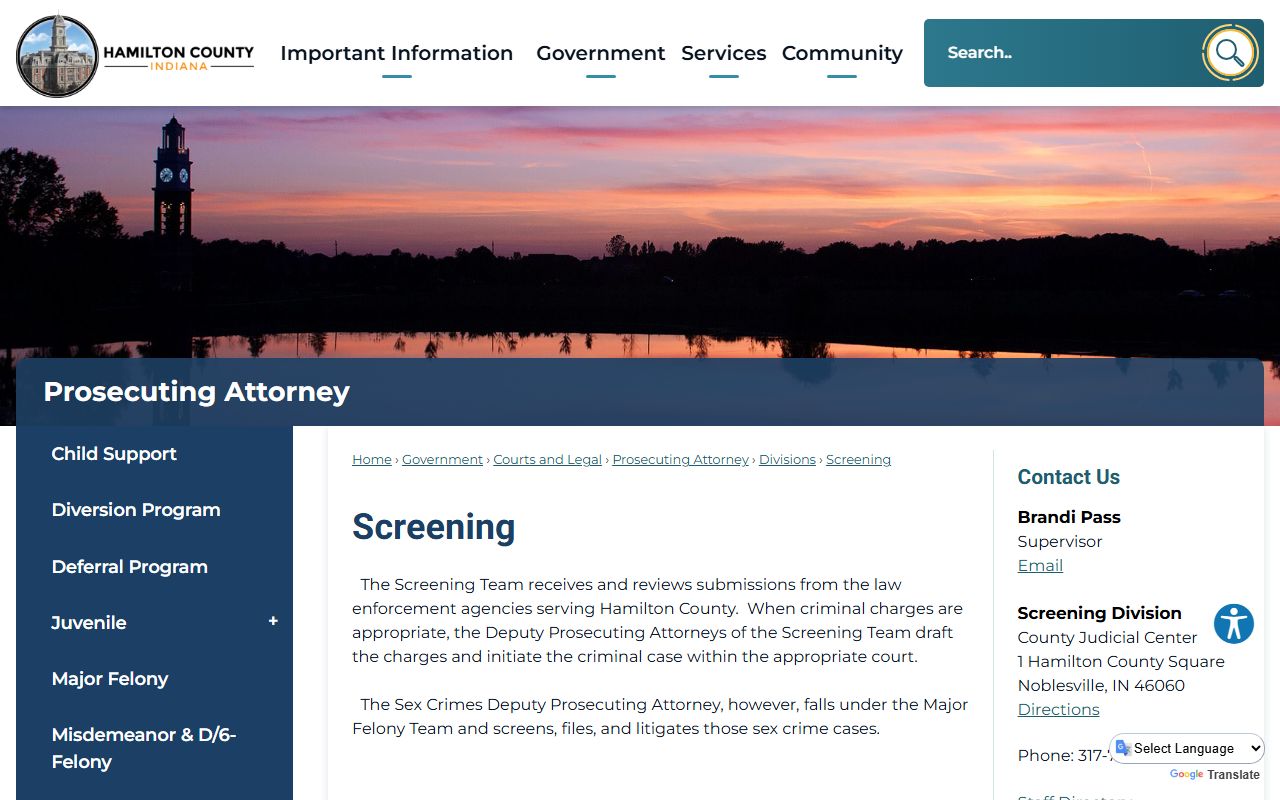
So not every arrest becomes a charge, and not every charge becomes a conviction.
Sealed vs. Expunged Records
Indiana lets eligible people restrict access to old arrests and convictions. Expungement is the main tool, set out in Indiana Code 35-38-9. Sealing is a court order or rule that limits public access. Both can pull a record out of public view, but they work differently and have strict eligibility rules.
| Point | Sealed | Expunged |
|---|---|---|
| How it happens | Court order or access rule | Statutory petition under IC 35-38-9 |
| Public access | Limited or removed | Restricted; some official use remains |
| Record destroyed? | No | Not always; access is restricted |
| Eligibility | Set by rule and court order | Waiting periods and case-type limits in IC 35-38-9 |
The Indiana expungement chapter, shown below, sets the categories, waiting periods, and exceptions.
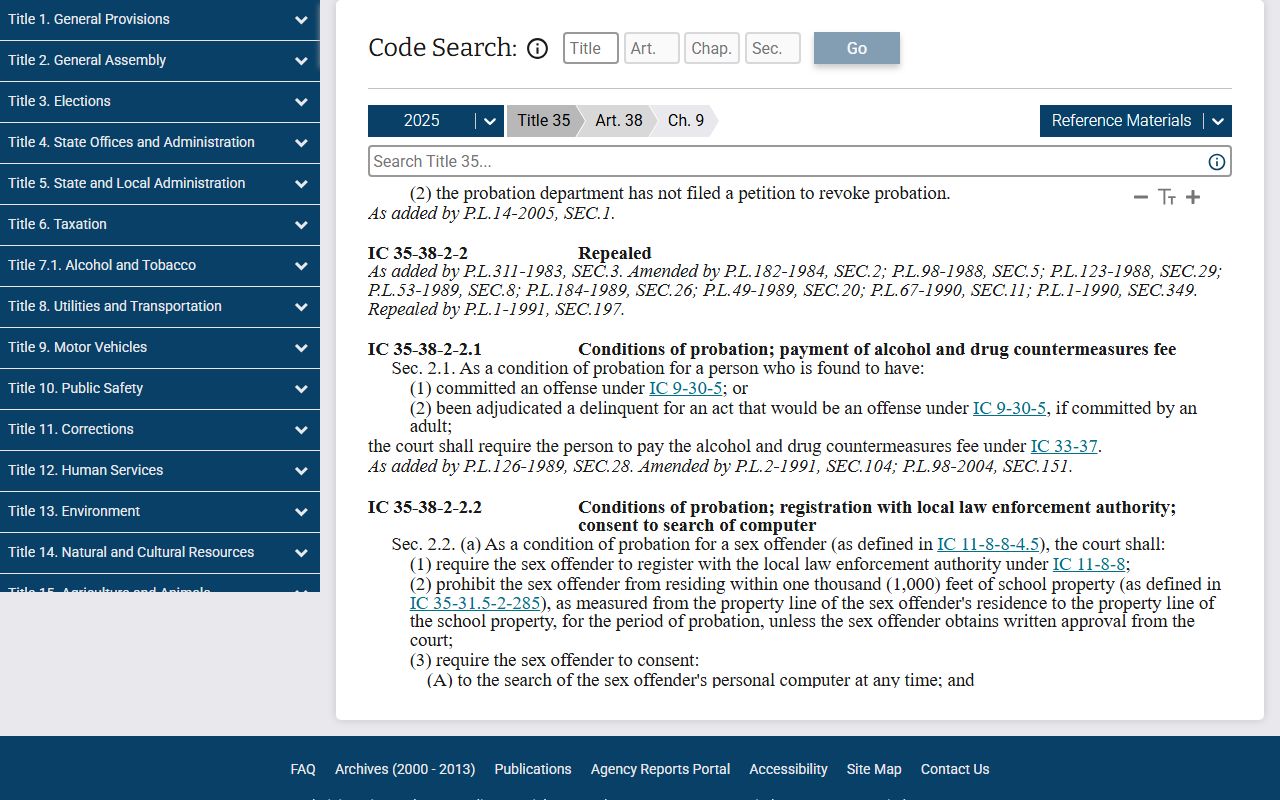
The county Legal Self-Help Center helps eligible filers with expungement forms, including a request to waive court fines and fees. Read the full text at Indiana Code 35-38-9 before filing.
Mugshots and Booking Photos
The Hamilton County jail roster includes a mugshot on each current inmate profile, along with a photo timestamp. The image is part of the public booking record while the person is in custody. A mugshot is not proof of guilt. It only shows that a booking happened.
Booking photos can stay searchable on the roster until release. After release or expungement, public availability can change. If you need a booking photo for a legal purpose, the Sheriff's Records office handles report and record requests, and certified court documents come from the Clerk.
Statewide and Broader Criminal Records Search
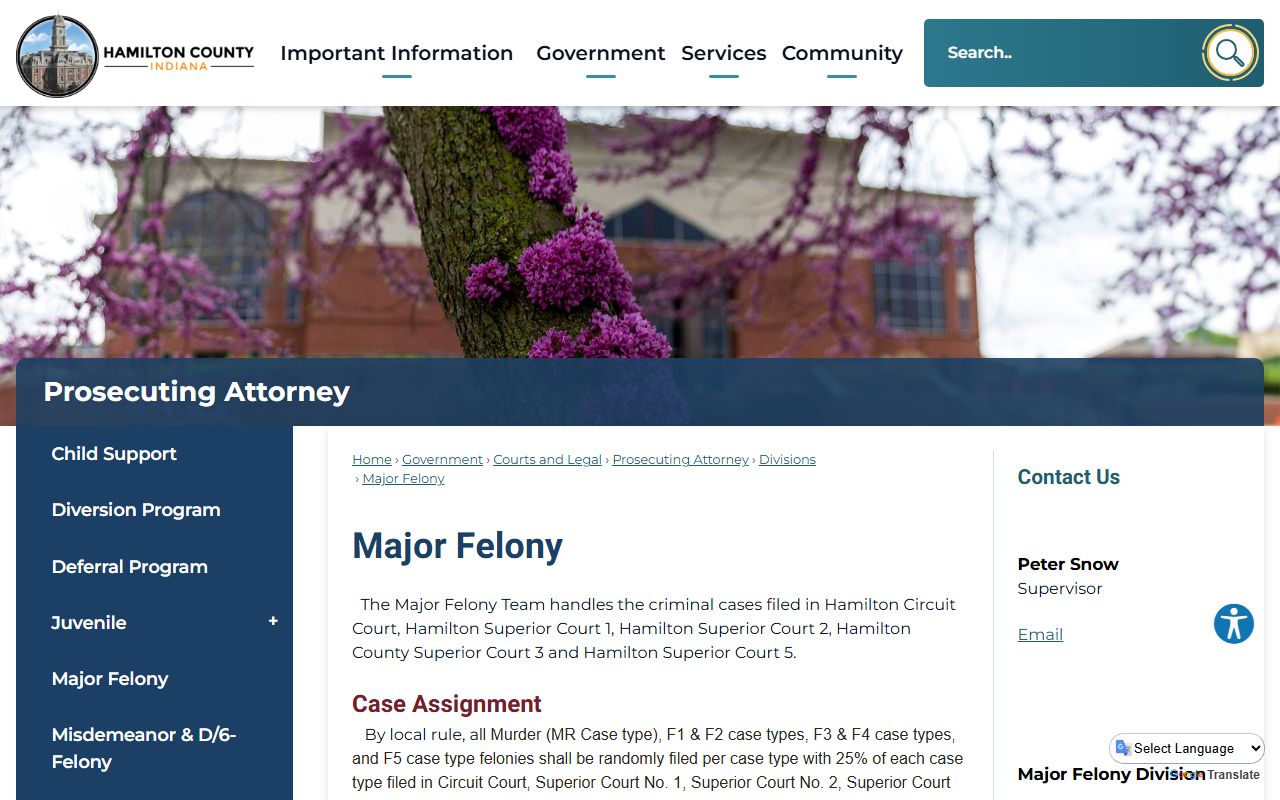
County tools cover county cases. For a wider look, Indiana MyCase reaches every county's non-confidential court records, so you can check whether a person has cases beyond Hamilton County. Major felony assignment within the county follows local rules, with cases routed among the Circuit Court and Superior Courts 1, 2, 3, and 5.
The Prosecutor's Major Felony page, shown below, explains how serious cases are assigned among those courts.
For federal matters, free legal archives such as CourtListener hold federal court opinions and filings, shown below, though they are not the official source.
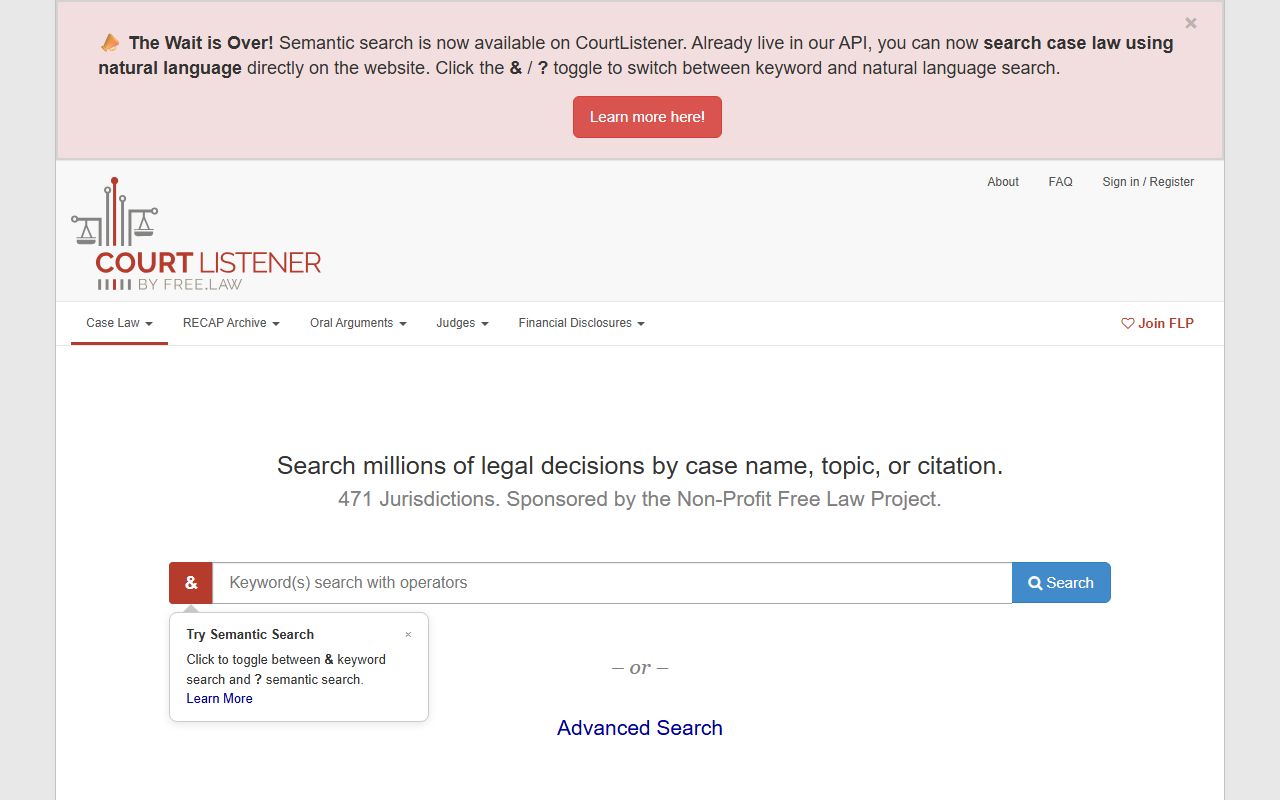
Federal cases are searched through PACER and are not part of the Hamilton County roster.
Background Check Considerations
Arrest records and court records are public, but how you may use them is limited. This site is not a consumer reporting agency, and the data here cannot be used for credit, employment, tenant, or insurance decisions covered by the Fair Credit Reporting Act. For a formal background check, use a proper channel.
The Sheriff's Records office runs in-person background checks at no charge; bring a photo ID and ask for the form in advance. Remember that an arrest alone is not a conviction, and an expunged record may no longer appear, so a public search is not a complete or guaranteed history.
Hamilton County Bond Schedule
After an arrest, bond is set by schedule or by a judge. The county Appendix A bond schedule lists standard amounts by charge level, with some no-bond and hold rules. The figures below are the scheduled starting points, not a final judicial decision in every case.
| Charge Level | Scheduled Bond |
|---|---|
| Murder | No bond |
| Level 1 and 2 felony | $50,000 |
| Level 3 and 4 felony | $25,000 |
| Level 5 felony | $10,000 |
| Level 6 felony | $5,000 |
| Class A misdemeanor | $2,500 |
| Class B misdemeanor | $1,000 |
Some domestic and violent offenses carry a 24-hour hold, so a defendant cannot post under the schedule until 24 hours after book-in. A lack of identification can also hold someone without bond until a bond hearing.
Restricted Criminal Records in Hamilton County
Some criminal records are closed. Juvenile cases under Indiana Code 31-39, sealed and expunged files under IC 35-38-9, grand-jury materials, and many personal identifiers are limited by law. Mental-health and certain protected-victim details are restricted as well.
A blank MyCase result does not prove a person has no record. It may mean the case is confidential or was expunged. To view a sealed file, you generally need to be a party, an attorney of record, an authorized agency, or to have a court order.
This matters most for older cases. An arrest from years ago may have been expunged, so it no longer appears in a public search even though it once did. Law enforcement and certain licensing bodies may still see it under statute. For the public, the practical result is simple: a clean public record is not always a complete history, and a single search is not a substitute for an official, lawful background check.